Trending

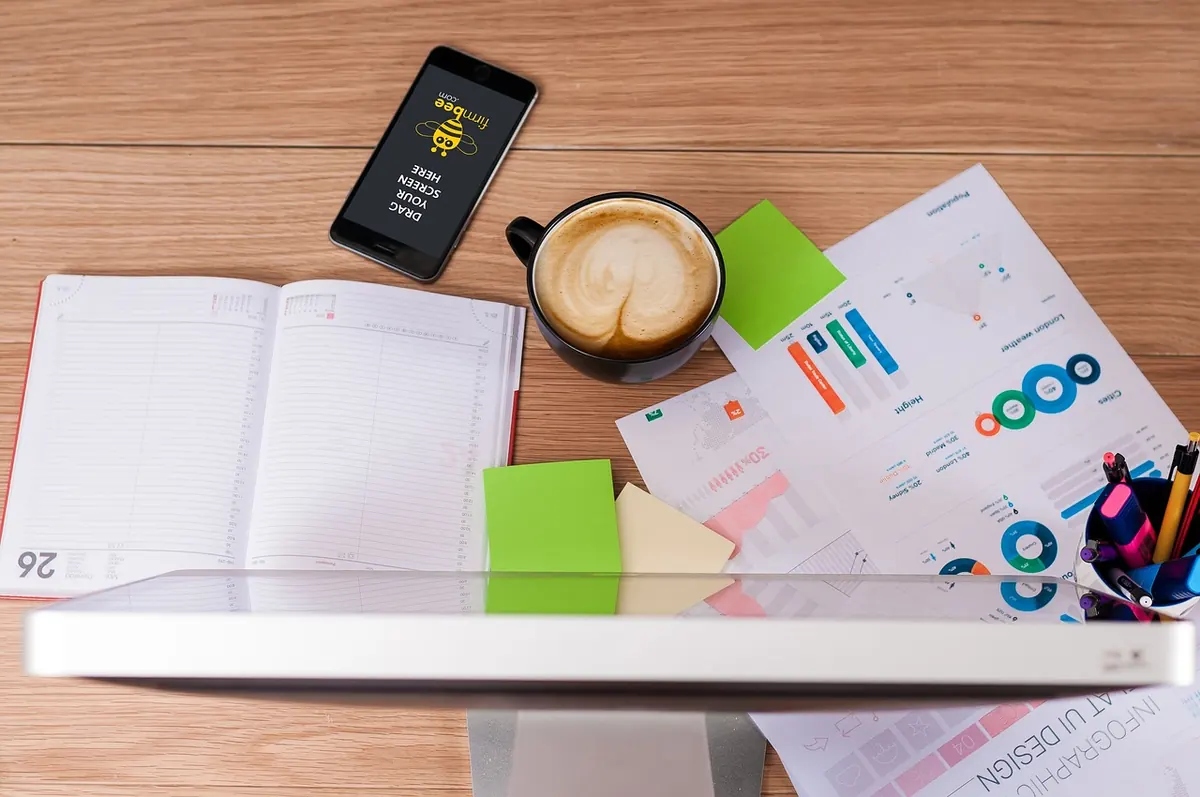
You have a dentist appointment on the fourteenth, a granddaughter's recital on the fifteenth, and a standing lunch with two friends every second Thursday. Somewhere in there is a plumber's visit you promised to confirm. Whether that week lives in a paper planner or on your phone changes how much of it you actually remember, and how much of it feels like work. Both tools can do the job. They simply do it differently, and those differences matter more as your calendar fills up and your eyes get tireder.
Open a paper week-at-a-glance spread and the entire week is simply there. No tapping, no loading, no accidental swipe that sends you to next month. You can see that Thursday is crowded before you commit to anything on Wednesday. Writing with a pen is also slower in a useful way: you think for a second about what you're adding, which cuts down on the vague "something on Friday" entries that plague busy calendars.
A phone calendar shows you one day at a time by default. That is efficient for checking what's next, less good for spotting a heavy stretch of days. The screen is small, and a missed tap can move an event without you noticing. On the other hand, the phone is with you when you're standing in the pharmacy queue and someone asks if you're free on Tuesday. A planner left on the kitchen counter cannot answer that.
A reasonable split many people settle into: paper at home for planning, phone for checking on the go.
This is where the phone earns its keep. An event can be set to buzz thirty minutes before, then again the night before. Recurring entries — that second-Thursday lunch, a monthly club — take ten seconds to set up and then repeat forever. If you tend to lose track of time while gardening or on the phone, an alert that sounds is genuinely useful in a way a written note is not.
Paper reminders depend on a habit rather than an alarm. They work best when attached to something you already do: a planner left open on the table where you drink your morning coffee, a red dot in the margin for anything that needs a phone call. A wall calendar in the hallway catches you every time you leave the house. The catch is that a paper reminder only fires if you look at it.
One practical warning about phone alerts: if you dismiss them without reading, they stop being reminders. Set two — one the evening before, one an hour ahead — and treat the first as the one that matters.
Phone calendars can be made much easier to read than most people realise. Text size, bold text, and display zoom are all adjustable, and the calendar app will follow the system settings. Dictation lets you say "lunch with Margaret Friday at noon" instead of typing it. If arthritis makes small targets difficult, a stylus or a larger phone helps more than any setting.
Paper has its own advantages: matte pages beat a glossy screen in bright sunlight, nothing needs charging, and a pen grip can be easier than a swipe for stiff hands. If your handwriting has become large and shaky, look for a planner with generous boxes rather than a dense grid.
Before committing, check a few things:
If any answer is no, that format will quietly stop being used. Choose the one you can operate on a bad day, not a good one.
A paper planner can be lost, left on a bus, or ruined by a leak. Everything in it goes with it. There is a simple defence: once a month, photograph the next two months of pages. The pictures sit in your phone's photo album and take two minutes. Write your name and phone number inside the front cover too — a good Samaritan has a chance of returning it.
A phone calendar syncs to your account, so a lost or broken phone does not take your appointments with it. That safety net has a condition, though: you need to know your account password, and someone you trust should know how to reach it if you are unwell. Many families quietly keep an emergency contact list on paper in a drawer for exactly this reason. If passwords and accounts feel daunting, it is worth asking a family member to sit with you once and write the essentials down somewhere safe at home.
Paper is a personal record, not a shared one. If your daughter needs to know about a specialist appointment, you tell her, or she photographs the page. That's fine for a handful of people, less fine when four family members are juggling lifts.
Phone calendars shine here. Send an invitation and the event lands on the other person's calendar with the time and address already attached. Shared calendars let a partner add their own commitments so you both see the same week. The trap is the group chat: plans get agreed somewhere in a long thread and never make it into anyone's calendar, so they get forgotten. The fix is a habit — when something is settled, put it in your calendar yourself, with the address in the notes, and confirm it in one short message. Don't rely on someone else to do it for you.
You do not have to choose one and abandon the other. A workable arrangement for most people is a paper planner as the main planning surface and the phone for alerts and sharing. Try this over the next seven days:
Keep the system small enough to maintain when you are tired or busy, because that is precisely when you need it. If health or financial matters enter the picture — an appointment schedule for treatment, or a plan for paying for care — speak to the relevant professional rather than relying on a calendar entry alone to hold the details.
Photo: Firmbee / Pixabay