Trending

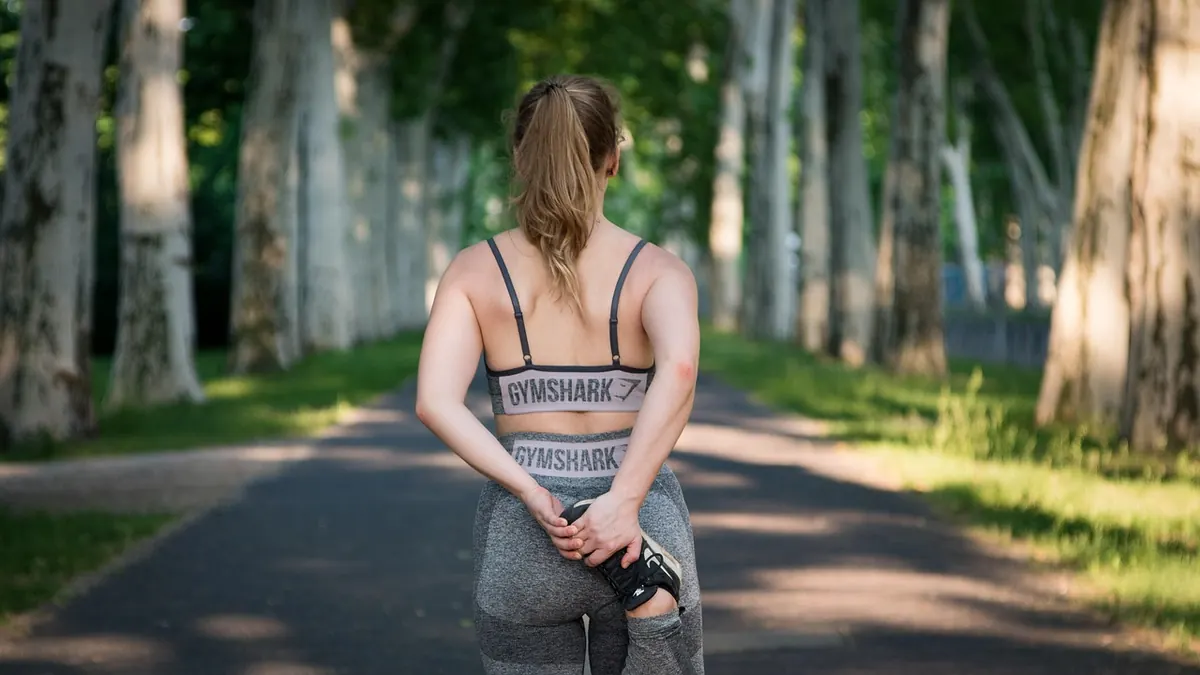
Most wellness routines started after 60 don't collapse because of laziness. They collapse because of enthusiasm. You feel a burst of motivation on a Sunday evening, decide to walk every morning, join a strength class and cut out sugar — and by Thursday your knee is complaining and the whole plan has quietly fallen apart. The mistakes below come up again and again, and each one has a fix that costs nothing. None of them require more discipline. They ask for a little patience in the first month, which is exactly when habits are being built.
A twenty-minute walk feels so good that the next day you go for an hour, and by the weekend something in your hip is complaining. The fix is unglamorous: start at roughly half of what you think you can manage, then add a small amount each week — five minutes to a walk, one repetition to a strength exercise. If you can't hold a conversation while you're moving, you're going faster than your body can currently support.
Cold muscles and stiff joints don't like sudden demands. Five minutes of preparation makes the rest of the session easier and safer. March on the spot, circle your arms, stand up from a chair a few times, roll your shoulders. If you're walking, spend the first few minutes at an easy pace before picking it up. The same applies at the end: slow down gradually rather than stopping dead and sinking into a chair.
Strength work is one of the most useful things you can do after 60, and also one of the easiest to overdo, because progress feels slow and the temptation is to add more. Muscle repairs itself between sessions, not during them. Two sessions a week is a sensible starting point, with a day between them. And rest doesn't mean sitting still: a gentle walk, some gardening or a stretch keeps everything loose without adding load.
There's a difference between the dull ache that arrives a day or two after unfamiliar effort and a sharp or persistent pain that shows up during the movement itself. The first is normal. The second is information. Stop, note what you were doing, and give it a few days. If it's still there after a week or two, or if it wakes you at night, have it looked at rather than working around it for months. Aches that change how you walk are worth a professional opinion before you build a routine on top of them.
Thirst becomes a less reliable signal with age, and some medications increase fluid loss. You don't need to count litres, but a few simple cues do most of the work:
A plate that was fine during a sedentary week can leave you flat and lightheaded once daily walks start. Try to include something with protein at each meal — eggs, fish, chicken, beans, yoghurt — and don't head out for a long morning walk on an empty stomach, particularly if you take medication that affects blood sugar. A small snack before you go is easier than a wobble halfway round the park. If you have a condition that limits what you eat, follow your own medical advice rather than a general plan.
The internet is full of energetic routines that assume knees without history. The answer isn't to do less forever; it's to choose the version that fits your joints, your balance and your past injuries. Swap running for brisk walking or cycling. Use a counter or chair for support while you build strength. Add one balance exercise a day — standing on one leg while the kettle boils, or walking heel to toe along the hallway. If you have a replaced joint, a heart condition or a history of falls, one session with a physiotherapist or qualified instructor can save months of guesswork.
Three simultaneous changes are three chances to fail on the same day. Pick one thing and give it two weeks: a daily walk, or a strength session twice a week, or an earlier bedtime. Keep everything else exactly as it is until the new habit stops requiring thought. Then add the next piece.
Without a starting point, you can't tell whether you're improving — and after 60, progress is measured in weeks, not days. Keep it simple. Once a week, note how long your usual walk takes, how many times you can stand up from a chair in thirty seconds, and how you slept. Three lines in a notebook is enough. When motivation dips, those lines are the evidence that the effort is working.
A cold, a holiday, a stretch of bad weather — something will interrupt. Decide now what your minimum version looks like, so a bad week doesn't become a lost year:
The rule that saves more routines than any other: never miss twice. One missed day is life. Two in a row is the beginning of a pattern.
Consistency beats intensity, and patience beats both.
If you're starting from very little, this is a reasonable shape for the first fortnight:
Nothing here is dramatic. That's the point. The routine that lasts after 60 is usually the one that looked almost too easy in the first month, and quietly became part of the day.
Photo: happyveganfit / Pixabay